Introducing Auto Approval Workflows and Agent Session Review

Coding agents now take a ticket, write the code and open the pull requests, and Qodo reviews each of those changes within minutes. For many teams, the slowdown has moved to what happens next: routine PRs sit until someone approves them, and agent-built features have to be pieced together across several PRs before anyone feels confident shipping them.
Today Qodo introduces Auto Approval Workflows (Beta) and Agent Session Review (Research Preview). The release advances automation and trust in the software factory, combining policy-driven PR approvals with a unified assessment of the work coding agents deliver. For the bigger picture behind the release, read Itamar Friedman’s post, Earned Autonomy: Expanding What We Trust the Software Factory to Do. This post walks through what changes in your team’s day-to-day work.
What changes in your team’s day
Here is how the release shows up in the workflow your team already runs.
A routine change gets approved minutes after review. A small test-only change or copy fix opens, and Qodo’s review finds nothing above the team’s threshold. The matching workflow approves it as qodo-bot, the approval comment names the workflow that applied, and the PR keeps moving without anyone stopping what they are doing.
Critical code still reaches a person. A PR that touches a guarded repository or path, such as the payments service or auth/**, never gets an automatic approval. It goes through the team’s normal review, and PR Triage shows which guard held it back.
An agent-built feature arrives as one package. When an agent builds a feature across several PRs and repositories, the engineer who owns it runs /qodo-agent-session-review from their coding agent. They start from one work package that shows what the agent decided, where it left the plan and what to read first, so they spend their review time on the parts that need it.
Automatically approve PRs that meet your criteria
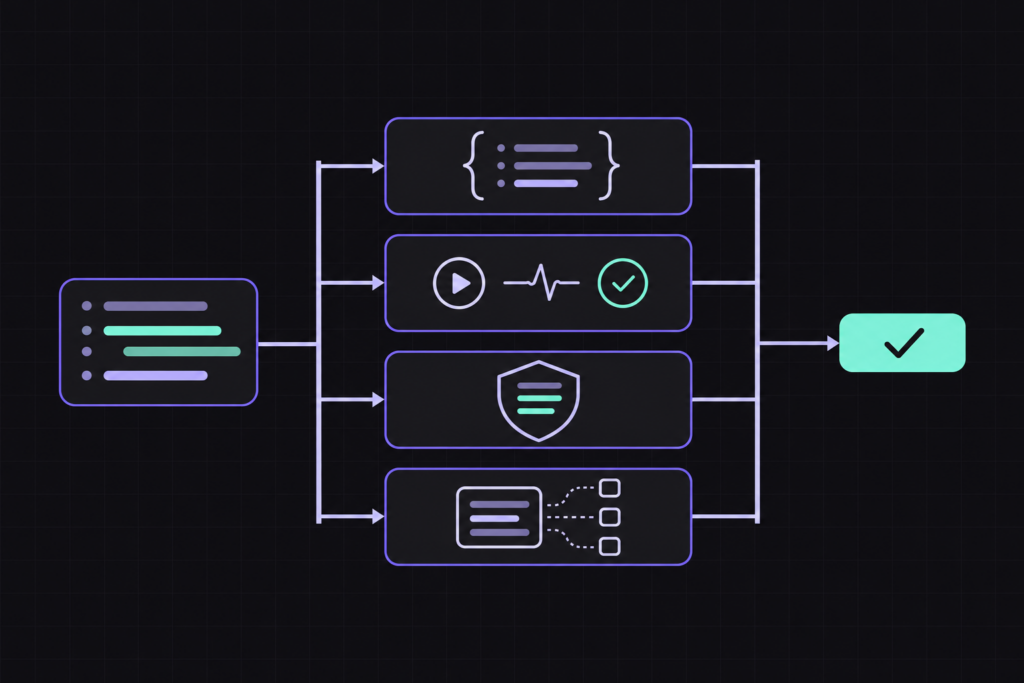
Auto Approval Workflows let teams decide where Qodo acts on its own. Each workflow follows one pattern: when Qodo finishes reviewing a PR, if the review meets the team’s criteria, then Qodo takes action.
Criteria come from what Qodo’s review already knows about the change:
- Findings by severity and category, such as no findings of medium severity or higher in Security or Reliability
- Blast radius, which limits approval to changes with a small footprint
- Compliance with the team’s Qodo rules
When a PR qualifies, the workflow does one of two things. It can approve the PR as qodo-bot, which counts as one approval while required reviewers and code owners still apply. It can also add a “Qodo approved” label that marks the PR without approving or merging it, for teams that want a signal before they hand over the approval itself.
Teams start from a template, such as Low-risk PRs, or build their own. Each workflow applies to the whole workspace, a Git organization or a single repository.
Building a workflow that auto approves low-impact PRs that follow the team’s rules.
Guards keep critical code with a person
Guards set the boundaries for automation. Teams list the repositories, paths (such as auth/**) and authors Qodo should never approve, including bots and coding agents identified by their Git login. Teams can also limit approvals to a set list of authors. Qodo never approves a guarded PR, and a person reviews it instead.
Approvals also stay current. On every new commit, Qodo checks the PR again and withdraws its approval if the PR no longer qualifies. A PR author who dismisses their own finding doesn’t clear the way to approval either.
Guards name the repositories, paths and authors Qodo never approves.
Review a coding agent’s whole session with Agent Session Review
Consider a change where the plan said to re-run review when the code changes. The agent’s implementation also triggers a full re-review when a settings value changes. Every check passes, yet the system behaves differently from what the team intended, and no single diff points to it.
Reviewing PR by PR makes this hard to catch. A reviewer reads one diff at a time, rebuilds how the changes fit together and digs through session history to understand what the agent decided. Agent Session Review starts from the session instead.
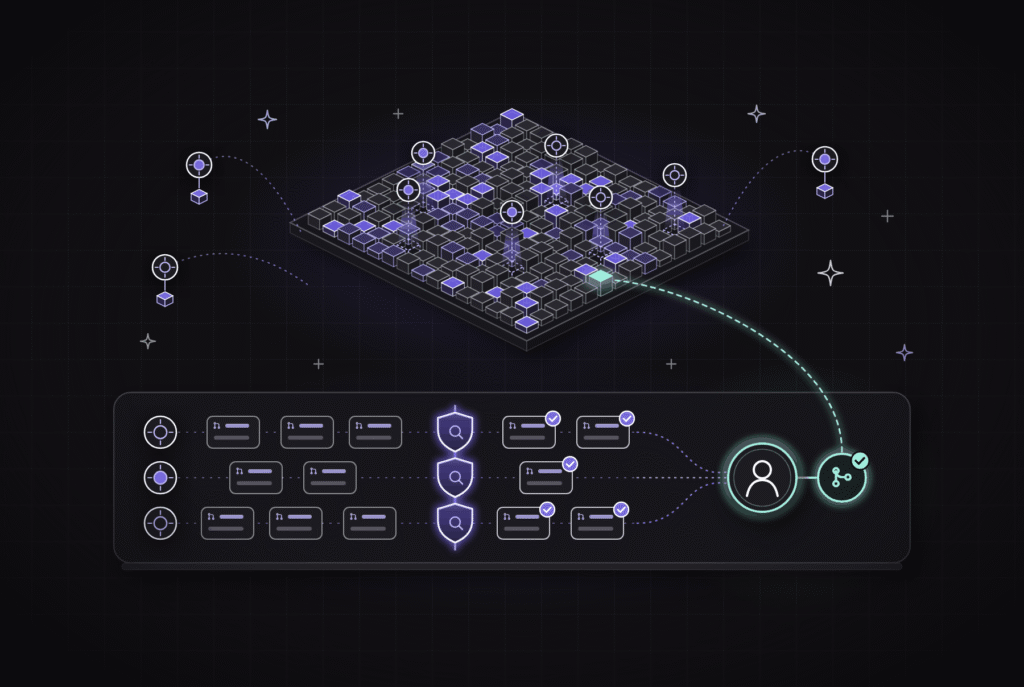
The /qodo-agent-session-review skill in Qodo’s Agentic Toolbox gathers every PR the agent created in a session, across repositories, plus the decisions and actions behind them. It packages all of it into a work package and opens the assessment on the builder’s machine. The person responsible gets one guided view to check the work before it ships.
The work package covers:
- Deviations from the plan. It highlights the implementation choices and assumptions behind the code, including where the build departed from the plan or added work nobody asked for.
- A guided path through the code. It explains how the PRs fit together, their merge order and where changes interact. A reading plan shows what needs close attention, what can be skimmed and why.
- Risks grounded in evidence. It gives a verdict and ties each risk to the affected parts of the system and the evidence behind it. Gaps and unresolved questions stay explicit, so engineers know what still needs investigation.
Engineers can also review the agent’s decisions one by one, follow data across services one contract at a time and work through the issues and bugs Qodo surfaced.
A work package in Agent Session Review: merge status, risk assessment, the contracts a change touches and a code map of what to read.
Getting started
Auto Approval Workflows are available today in Beta. To get started, an admin turns on a template such as Low-risk PRs or builds a workflow from scratch, adds guards for the repositories, paths and authors that should always go to a person, and follows each decision in PR Triage.
Agent Session Review is available as a Research Preview through Qodo’s Agentic Toolbox. At the end of a coding session, run /qodo-agent-session-review to open the work package.
Start a free trial or book a demo to see both in action.