No code goes to prod without Qodo: how Packsize governs AI-written code

Packsize builds on-demand packaging systems that create right-sized corrugated boxes for customer orders. Its PackNet platform orchestrates machines and fleets and connects with customers’ warehouse and enterprise systems. The engineering environment spans embedded machine controls, .NET services, Azure cloud infrastructure, roughly 50 microservices, and React frontends.
With software running physical machines on customer warehouse floors, code quality has operational consequences. A compatibility issue in a shared package can affect multiple services, and downtime can be expensive.
The challenge: Code creation outpaced review
AI coding tools helped Packsize’s engineers produce more code, faster. Pull requests became larger and more frequent, increasing the workload for the engineers reviewing them.
“The bottleneck moved from writing code to reviewing and verifying it,” says Nathan Hansen, AI Architect at Packsize. “Review queues grew, and subtle issues like cross-repo compatibility or drift from our standards got harder to catch by eye.”
Experienced engineers were spending valuable time working through large diffs. Subtle defects in shared packages became easier to miss, creating rework and risk for the systems that depended on them.
The team needed to scale review while maintaining the engineering standards and reliability its customers relied on.
Why AI-generated code needed an independent review
Recognizing that it was critical to solve the review bottleneck, Packsize looked to AI to help handle the growing workload. The team found that asking the same AI that wrote the code to evaluate its work did not provide the scrutiny it needed.
“We pretty quickly ran into the realization that the AI that wrote the code was generally fine with the implementation,” Hansen explains. “And so we started looking for adversarial review, though we didn’t call it that at the time.”
An independent review was especially valuable for changes to shared packages, where a compatibility issue could affect multiple services. Reviewers had to consider both the implementation itself and its impact on the systems that depended on it.
Choosing Qodo for review quality and Azure DevOps support
Packsize evaluated its options and chose Qodo as its dedicated code review and quality platform. Qodo stood out as the right fit for three critical reasons:
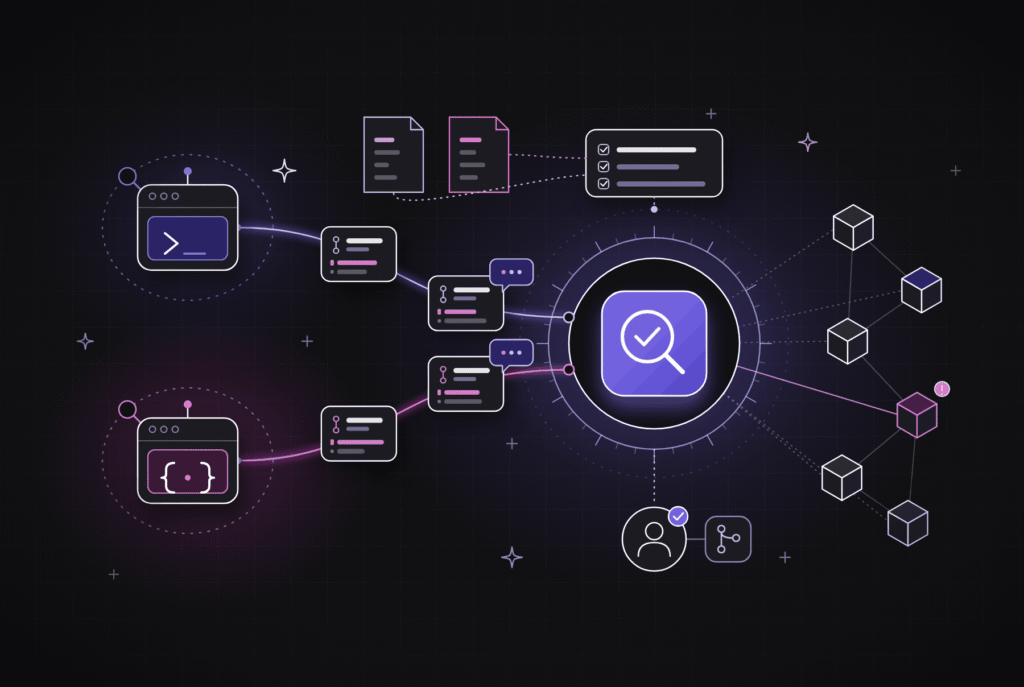
- Adversarial Review via Multiple Models: Rather than relying on a single AI that might overlook its own mistakes, Qodo leverages multiple models to scrutinize code. This provided the rigorous, independent review Packsize was looking for to actively question implementations and hunt for flaws before production.
- Native Azure DevOps Integration: Because Packsize is a Microsoft shop, they needed a tool that fit seamlessly into their existing ecosystem. Qodo’s native support for Azure DevOps meant it could plug directly into their current pipelines without causing friction for the engineering team.
- Industry-Leading Precision and Recall: Qodo sat at the cutting edge of AI-assisted review, leading industry benchmarks for precision and recall. This is driven by its Context Engine, which utilizes codebase wisdom, custom rules, and PR history to ensure that its critiques are highly accurate and deeply relevant to the project.
How Packsize uses Qodo: first rounds of review on every PR
Today, Qodo is a mandatory step in the software development lifecycle. Every Packsize engineer uses it, and it analyzes every single pull request.
“No code goes to prod without Qodo taking a look first,” said Hansen.
From a developer’s perspective, the overall workflow feels familiar, but with a massive efficiency boost. Developers can run Qodo locally to check their work before even opening a PR. Once the PR is submitted, Qodo immediately takes on the first few rounds of review, replacing the initial human pass. By the time human reviewers step in, the obvious issues have already been caught and resolved, allowing them to focus on higher-level logic.
To guarantee that code aligns to the engineering rules at Qodo automatically extracts review standards from the team’s skill.md files in each repo and applies these rules during its analysis. This context-awareness gives every team and repository the exact same quality bar, ensuring that all code remains strictly compliant with internal standards and free of cross-repo defects.
The Catch: An Outage That Never Shipped
When the Packsize team updated a set of internal shared packages heavily depended upon by multiple repositories, the change looked complete and ready to deploy on the surface.
This was exactly the type of subtle defect that easily slips past a human reviewer skimming a massive diff. The break was not in the changed code itself, but rather in how the consuming repositories would interact with it. Qodo’s review successfully flagged that a critical compatibility fix had to be implemented first. Without that safeguard in place, the update would have caused a production outage.
The Qodo Effect
By serving as the first line of defense for every PR, Qodo has strengthened Packsize’s code review process and delivered several key benefits:
- Drastically Reduced Review Times: What used to be a growing, tedious queue has been cut down; code review time now takes just minutes with Qodo.
- Critical Defect Prevention: Qodo reliably keeps the team from shipping bugs and cross-repo defects.
- Increased Shipping Confidence: With Qodo providing a high-quality safety net, the team now has immense confidence in shipping their high volume of AI-generated code.
- AI-generated code aligned with engineering standards. Qodo checks AI-written code against Packsize’s repository-based rules, helping developers identify and correct deviations before production.
Looking ahead: Building toward a software factory
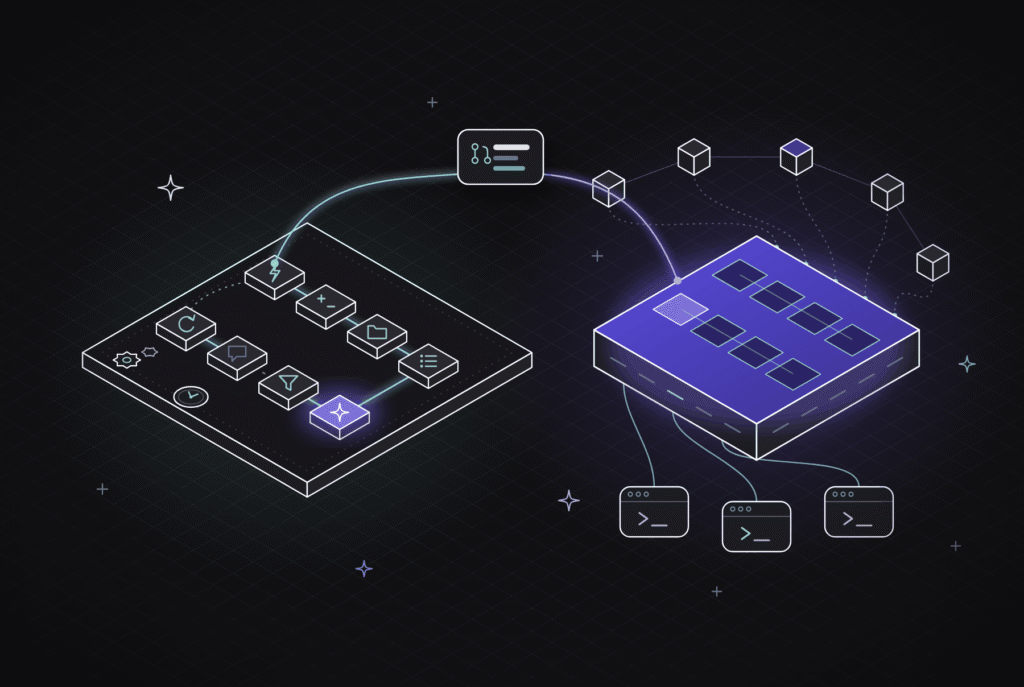
Packsize’s next ambition is to move toward “software factories,” with cloud-based agents working more autonomously and handling a growing share of development.
Packsize’s next step is to move toward a software factory, with cloud-based agents taking on more development work autonomously. Qodo’s Agentic Toolbox is part of that plan, bringing independent review into the development process through fast checks during coding and deeper reviews before a pull request. As more work moves to agents, these checks would help Packsize validate AI-generated code against its engineering standards before it reaches production.
The broader team is still building its experience with advanced agentic development. Its existing review practices provide a foundation: independent evaluation of generated code, engineering standards that inform feedback, and human attention to consequential findings.
“The trick to doing well in AI is getting clear on what you want and how to validate it,” Hansen says. “Qodo is a big help on the validation side.”
About the author