Introducing Qodo for Codex: Quality Built Into the Agentic Workflow

In OpenAI’s Codex, a change can move from plan to implementation to passing tests in a single session.
That workflow becomes even more valuable when quality is built into it from the start, with the agent drawing on what your organization already knows and its work reviewed independently.
Qodo is bringing both to Codex through a new plugin, now available in the Codex marketplace. It connects Codex to Qodo’s codebase intelligence, organizational rules, and code review capabilities through Qodo’s Agentic Toolbox.
Codex can retrieve the rules relevant to a task and use codebase and pull request history to understand how a change fits into the wider system before it starts building. Once the implementation is ready, Qodo can review the local changes and return actionable findings inside the same session.
The result is a tighter development loop. Organizational context shapes the code as it is written, and independent review strengthens it before the pull request is opened.
Install the Qodo plugin for Codex.
What you get with the Qodo Plugin for Codex
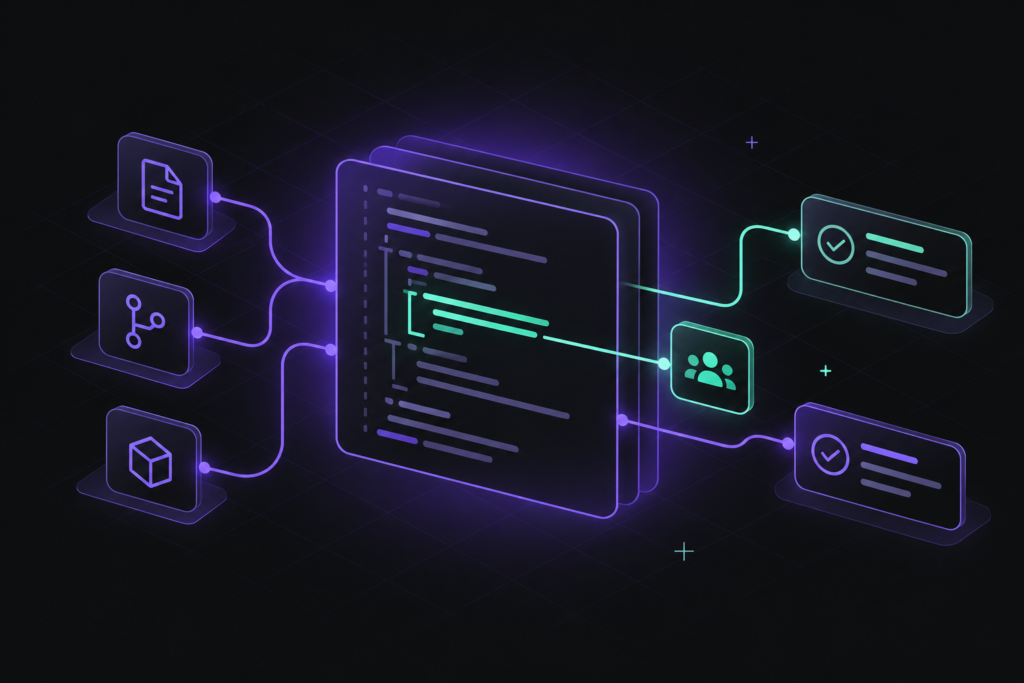
The plugin packages Qodo’s capabilities as skills and tools Codex can call while working on a task. These are not static instructions or extra background for the agent. They connect Codex to Qodo’s rules, codebase intelligence, and review system, bringing quality into every stage of the agentic workflow, from understanding the system and applying standards to reviewing and resolving the resulting code.
Once the plugin is installed and the developer signs into Qodo, Codex can call Qodo and leverage its capabilities:
- Codebase Wisdom (
qodo-codebase-wisdom): Powered by Qodo’s Context Engine, this skill helps agents and developers understand unfamiliar components, trace dependencies across repositories, explore architectural relationships, and uncover why existing patterns were chosen. - Local review (
qodo-review): Qodo’s specialist review agents analyze the local working tree, including uncommitted and untracked files, for correctness, security, requirement gaps, rule violations, and effects beyond the immediate diff. - PR Resolver (
qodo-review-resolver): Findings from Qodo’s pull request review are brought into Codex, where the agent can investigate each issue, implement a fix, run the relevant tests, and validate the resolution. - Manage Review Standards (
qodo-manage-standards): Teams can create, update, and organize the standards in Qodo’s centralized rules system directly from Codex. - Get Rules (
qodo-get-rules): Drawing from Qodo’s Rules system, this skill retrieves the organizational standards relevant to the repository and task so Codex can apply them during planning and implementation.
What you can do with Qodo in Codex
Start work in an unfamiliar part of the system
Before editing code, Codex can use Qodo’s Codebase Wisdom to trace the flow across repositories, identify the relevant components, and understand why the current implementation works the way it does.
The developer can ask or prompt in Codex:
- “Which repositories depend on this interface?”
- “Find previous changes to this area and explain the decisions behind them.”
- “How is authentication handled across the services involved in this flow?”
- “Show me similar implementations elsewhere in the codebase.”
Coding starts with a map of the system instead of discovering dependencies after implementation.
Build a feature against your team’s standards
A developer asks Codex to add a new API endpoint. The organization already has rules for authentication, error responses, logging, and test coverage.
Codex can retrieve those rules from Qodo before it creates the implementation plan. It can then use them while writing the endpoint and its tests.
The developer can ask:
- “Which authentication, error handling, and logging standards apply to this task?”
- “Turn the relevant rules into an implementation checklist.”
- “Review my plan against our engineering standards before writing the code.”
- “Implement this endpoint according to the applicable rules.”
- “Does our organization have an established pattern for pagination in public APIs?”
- “Find the rules this change must satisfy before it is ready for review.”
Check a change before opening the pull request
Codex has finished a refactor and all tests pass. The developer wants another level of scrutiny before sharing the branch.
Qodo can review the local working tree, including uncommitted and untracked files. Its specialist agents examine the change for correctness, security, requirement gaps, rule violations, and effects outside the immediate diff.
The developer can ask:
- “Review my local changes.”
- “Review all committed, uncommitted, and untracked changes in this branch.”
- “Check whether this implementation fully covers the ticket requirements.”
- “Review this change for security risks and correctness issues.”
- “Look for edge cases or regressions that the current tests may have missed.”
- “Review these changes against the applicable rules.”
- “Review the impact of this refactor beyond the files in the diff.”
- “Run another review after I resolve the current findings.”
Understand the blast radius of a change
A developer needs to modify a shared interface used by several repositories. The code change itself is small, but its impact may not be.
Codex can use Qodo to identify consumers of the interface, surface related historical changes, and explain cross-repository dependencies before making the edit.
The developer can ask:
- “Which repositories consume this API?”
- “Trace this contract across services and identify every affected integration.”
- “Find previous changes to this interface and explain how compatibility was handled.”
- “Which tests, services, and teams could be affected by this change?”
- “Does any downstream code rely on the current response format?”
- “What migration work would be required if we change this schema?”
- “Map the path from this method to its downstream consumers.”
Resolve Qodo findings without rebuilding the context
A pull request has already been reviewed by Qodo and contains several actionable findings.
Qodo’s PR Resolver brings those findings into Codex to inspect the affected code, trace the issue, implement a fix, and run the relevant tests. Qodo can then validate whether the resolution addresses the original finding.
The developer stays in the same working session from investigation through validation, with the original review context available throughout.
Getting started with Qodo in Codex
The Qodo plugin is available in the Codex plugin marketplace for the desktop app and Codex CLI. The Qodo Agentic Toolbox requires Node.js 20 or later. You can install it without a Qodo account, but you will need to sign up or log in before running its tools.
Install the Qodo Agentic Toolbox
For macOS, Linux, Git Bash, or WSL, run:
curl -fsSL https://get.qodo.ai | sh
For Windows PowerShell, run:
powershell -ExecutionPolicy Bypass -Command "irm https://get.qodo.ai/install.ps1 | iex"
The installer installs the Agentic Toolbox and configures the available Qodo tools for supported coding agent environments.
Install the Codex plugin
In the desktop app, open Plugins, search for Qodo, and select Install.
In Codex CLI, enter /plugins to open the plugin browser, then find and install Qodo.
Start a new Codex session after installation so the Qodo skills are available.
Connect your Qodo account
The first time Codex calls a Qodo workflow, you will be prompted to sign in. Authentication connects the plugin to your Qodo environment, including the codebase context, rules
See the Qodo Agentic Toolbox documentation for more details.
About the author